
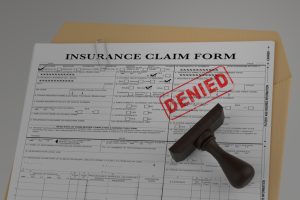
 When you pay your insurance premiums, you expect your insurance company to honor the policy when you need it most. Whether your claim involves storm damage, property damage, business losses, a denied injury claim, or another covered loss, the insurance company has a duty to handle your claim fairly. Unfortunately, some insurers delay, underpay, deny, or mishandle valid claims in ways that may amount to bad faith.
In Houston, policyholders often face insurance disputes after hurricanes, hailstorms, plumbing leaks, fire damage, roof damage, commercial property losses, and other serious events. While not every denied claim is automatically bad faith, Texas law does place obligations on insurance companies. When an insurer fails to investigate properly, misrepresents the policy, delays payment without a valid reason, or refuses to pay a covered claim, the policyholder may have legal options.
At The Law Offices of Colby Lewis, we help individuals, homeowners, and businesses understand their rights when insurance companies fail to treat them fairly. If your insurer is delaying, denying, or undervaluing your claim, it is important to know what bad faith can look like and when to speak with an attorney.
What Does “Bad Faith” Mean in an Insurance Claim?
Insurance bad faith generally refers to an insurance company’s failure to deal fairly and honestly with its policyholder. In Texas, insurers have legal duties when investigating, evaluating, and paying claims. They cannot simply look for excuses to deny coverage, ignore evidence, misrepresent what the policy says, or delay payment indefinitely.
A bad faith insurance claim may arise when an insurer denies or delays a claim without a reasonable basis. It can also involve unfair settlement practices, poor claim handling, misleading communications, or a failure to conduct a reasonable investigation before making a decision.
However, bad faith is not the same as a simple disagreement over coverage. An insurance company may be allowed to dispute a claim if there is a legitimate legal or factual reason. The key question is whether the insurer acted reasonably and in compliance with Texas insurance law.
Examples of Insurance Company Bad Faith in Houston
Bad faith can take many forms. In Houston, many bad faith disputes involve property damage claims after storms, fires, floods, wind events, or other disasters. However, bad faith can also occur in other types of insurance claims.
Common examples of bad faith insurance conduct may include:
- Denying a valid claim without a reasonable explanation
- Failing to conduct a proper investigation
- Delaying a claim decision without a valid reason
- Misrepresenting what the policy covers
- Misstating exclusions, limits, or claim requirements
- Offering far less than the claim is worth
- Ignoring evidence submitted by the policyholder
- Failing to communicate within a reasonable time
- Changing the reason for denial after the fact
- Blaming damage on an exclusion without supporting evidence
- Refusing to pay after liability has become reasonably clear
- Using biased or incomplete inspections to undervalue the claim
For example, if a Houston homeowner files a roof damage claim after a severe windstorm and the insurance company denies the claim without inspecting the roof properly, that may raise concerns. If the insurer claims the damage was caused by wear and tear but ignores evidence of recent storm damage, the policyholder may need legal help challenging the denial.
Is a Denied Insurance Claim Always Bad Faith?
No. A denied claim is not automatically bad faith. Insurance policies contain terms, conditions, exclusions, and deadlines. Sometimes a claim may be denied because the policy does not cover the specific loss, because documentation is missing, or because there is a genuine dispute about what caused the damage.
However, the insurance company must still handle the claim fairly. It should review the policy, investigate the facts, consider the evidence, explain the decision, and communicate with the policyholder. If the insurer skips those steps or uses the process to avoid paying a valid claim, bad faith may be involved.
The difference between a lawful denial and a bad faith denial often comes down to the insurer’s conduct. Did the company investigate before denying the claim? Did it explain the decision clearly? Did it rely on the actual policy language? Did it consider all available evidence? Did it delay payment even after coverage became clear? These questions can help determine whether the insurer acted improperly.
What Texas Law Says About Unfair Insurance Practices
Texas insurance code chapter 541 prohibits certain unfair or deceptive insurance practices. Insurance companies may violate the law when they misrepresent policy terms, fail to attempt a fair settlement when liability is reasonably clear, refuse to pay a claim without conducting a reasonable investigation, or fail to promptly explain the basis for a denial.
Texas also has prompt payment rules that require insurance companies to meet certain claim-handling deadlines. These rules are designed to prevent insurers from dragging out claims and leaving policyholders without answers or payment for unreasonable periods of time.
Because Texas insurance disputes can involve both policy language and statutory duties, it is important to have an attorney review the full claim file, denial letter, communications, estimates, photos, inspection reports, and policy documents. What may look like a simple denial may actually involve unfair claims handling or a violation of Texas insurance law.
Bad Faith After Storm Damage, Roof Damage, or Property Loss
Houston policyholders are no strangers to severe weather. Hurricanes, tropical storms, wind, hail, and heavy rain can cause major damage to homes, businesses, roofs, siding, windows, interiors, and personal property. After a storm, insurance companies may receive thousands of claims at once. Even during high-volume claim periods, insurers are still expected to handle claims fairly.
Bad faith property insurance practices may include sending an adjuster who performs only a rushed inspection, refusing to consider contractor estimates, claiming the damage is old without evidence, separating covered damage from uncovered damage in an unreasonable way, or issuing a payment that does not come close to covering necessary repairs.
For business owners, delayed or underpaid claims can create even more pressure. A commercial property loss may interrupt operations, reduce revenue, damage inventory, or prevent customers from accessing the business. If the insurer wrongfully delays or underpays the claim, the financial harm can grow quickly.
What Evidence Can Help Prove Bad Faith?
To evaluate a possible bad faith claim, an attorney will often look at both the insurance policy and the insurer’s behavior during the claim process. Evidence may include:
- The insurance policy and declarations page
- The original claim submission
- Photos and videos of the damage
- Repair estimates from contractors or specialists
- Inspection reports
- Emails, letters, and claim portal messages
- Denial letters or partial denial letters
- Payment explanations
- Adjuster notes or claim file materials
- Expert reports regarding causation or repair costs
Policyholders should keep records of every communication with the insurance company. If you speak with an adjuster by phone, write down the date, time, name of the person you spoke with, and what was discussed. These details may become important if the insurance company later changes its position or denies that certain information was provided.
What Damages May Be Available in a Bad Faith Insurance Case?
If an insurance company acted in bad faith or violated Texas insurance laws, the policyholder may be able to pursue more than the original amount owed under the policy. Depending on the facts, compensation may include policy benefits, additional damages caused by the delay or denial, attorney’s fees, interest, and other remedies allowed under Texas law.
The available damages depend on the type of claim, the insurer’s conduct, the applicable policy, and the legal claims involved. Because every case is different, it is important to have an attorney review the details before assuming what your claim is worth.
What Should I Do If I Suspect Bad Faith?
If you believe your insurance company is acting in bad faith, you should avoid accepting a low settlement or signing a release before speaking with an attorney. Once you accept payment as a full and final settlement, you may give up the right to pursue additional compensation.
Steps you can take include:
- Request a written explanation for any denial or underpayment
- Save all letters, emails, and claim documents
- Take photos and videos of the damage
- Get independent repair estimates when possible
- Do not rely only on the insurer’s adjuster
- Avoid giving recorded statements without legal advice
- Speak with an insurance dispute attorney as soon as possible
Insurance companies have teams of adjusters, claims representatives, engineers, and attorneys working to protect their bottom line. You have the right to seek legal guidance before making decisions that could affect your recovery.
Talk to a Houston Insurance Bad Faith Attorney
If your insurance company delayed, denied, or underpaid your claim, you do not have to accept its decision without question. Bad faith insurance practices can leave homeowners, business owners, and policyholders paying out of pocket for losses that should have been covered.
At The Law Offices of Colby Lewis, we help Houston policyholders stand up to insurance companies that fail to handle claims fairly. Whether your dispute involves storm damage, property damage, commercial losses, or another insurance issue, our team can review your claim and help you understand your options.
Contact our Houston insurance claims and denial lawyer today to schedule a consultation and learn whether your insurance company’s conduct may qualify as bad faith under Texas law.
