
The Law Offices of Colby Lewis
Houston Storm Damage Claims Lawyer
Holding Insurance Companies Accountable After Storm Damage
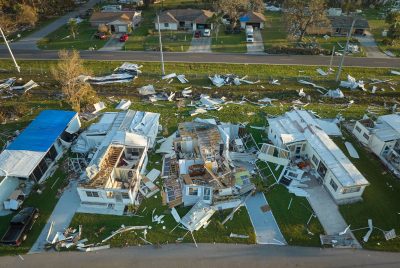
When severe weather strikes—hail, wind, flooding, hurricanes—you’re already dealing with property damage, stress, and uncertainty. Adding an adversarial insurance process on top of that isn’t acceptable. At the Law Offices of Colby Lewis, we take the confusion out of storm damage claims. We help homeowners and business owners in Texas cut through insurance tactics, document losses, and fight for the compensation you’re owed.
Types of Storm Damage Claims We Handle
We represent clients statewide—including Houston, San Antonio, Corpus Christi, McAllen, and Brownsville—in a wide range of storm-related insurance disputes, such as:
- Wind and hail damage to roofs, siding, windows, and structural components
- Flood and water intrusion (including post-storm seepage and roof leaks)
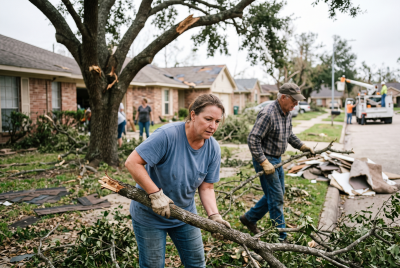
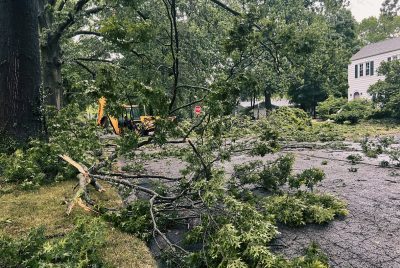
- Windborne debris damage, tree impacts, damage to HVAC or mechanical systems
- Business property damage and commercial loss from storm events
- Claims involving repair delays, underpayments, or improper adjustments
Storm damage doesn’t wait—and neither should you.
Why Insurance Companies Make it Hard
Insurance carriers know that after a storm, policyholders are vulnerable. They often:
- Delay inspections or payments until damage worsens
- Offer low-ball settlements or deny legitimate claims
- Use complex policy language to deny coverage
- Demand excessive documentation while ignoring policyholder evidence
Because Colby has defended insurance companies in the past, his insight into their tactics gives you a real advantage. We know how the insurers think—and how to hold them accountable.
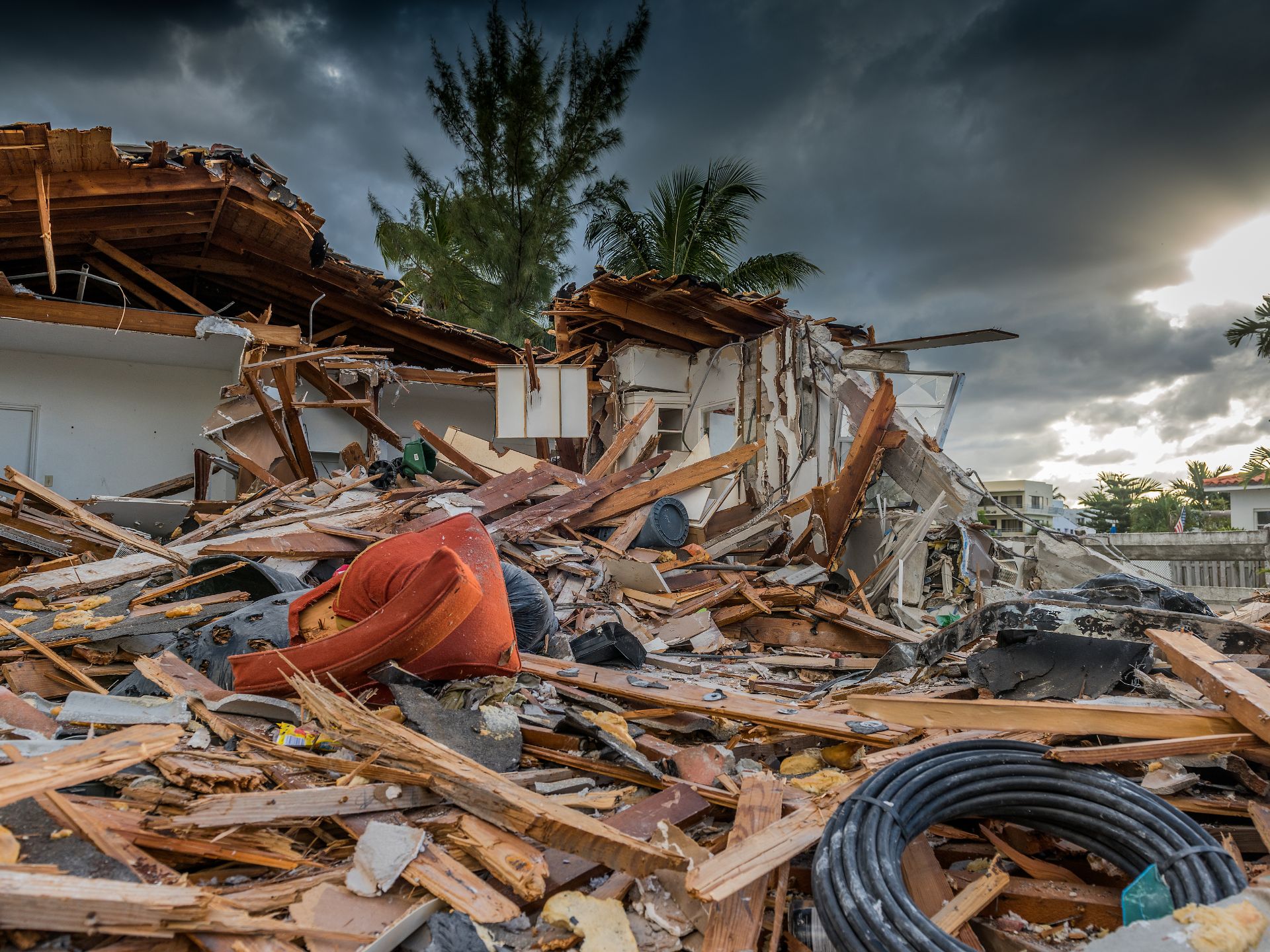
Types of Storm Damage Claims We Handle
We represent clients statewide—including Houston, San Antonio, Corpus Christi, McAllen, and Brownsville—in a wide range of storm-related insurance disputes, such as:
- Wind and hail damage to roofs, siding, windows, and structural components
- Flood and water intrusion (including post-storm seepage and roof leaks)
- Windborne debris damage, tree impacts, damage to HVAC or mechanical systems
- Business property damage and commercial loss from storm events
- Claims involving repair delays, underpayments, or improper adjustments
Storm damage doesn’t wait—and neither should you.
Why Insurance Companies Make it Difficult to Receive Compensation
Insurance carriers know that after a storm, policyholders are vulnerable. They often:
- Delay inspections or payments until damage worsens
- Offer low-ball settlements or deny legitimate claims
- Use complex policy language to deny coverage
- Demand excessive documentation while ignoring policyholder evidence
Because Colby has defended insurance companies in the past, his insight into their tactics gives you a real advantage. We know how the insurers think—and how to hold them accountable.
What To Do After a Storm
Acting quickly and methodically can preserve your rights and strengthen your claim.
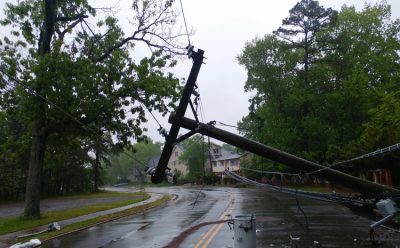
Ensure safety first—stay clear of downed power lines, unstable structures, and flooding.
Document everything: take photos and video of all damage (wide shots + close ups).
Contact your insurance company right away and report your loss.
Retain all documentation—photos, communications, repair estimates, invoices.
Don’t sign anything or agree to repairs before consulting an attorney.
Make temporary repairs if necessary (to prevent further damage), but keep all receipts.
What Can I Recover?
Depending on your situation, you may be able to recover:
- Cost of actual repairs (or full replacement)
- Diminished property value caused by damage
- Loss of use (temporary housing or business interruption)
- Attorney’s fees (when policy or statute allows)
- Penalties for bad-faith conduct by the insurance company
We’ll evaluate your damages comprehensively and develop a strategy that targets full accountability.
Why Storm Damage Claims Often Get Denied
Insurance companies have financial incentives to minimize payouts. Common reasons for denial include:
- Failure to report damage promptly
- Discrepancies between policy language and claimed damage
- Lack of documentation (photos, repair estimates, receipts)
- Depreciation or miscalculation of repair costs
- Alleged pre-existing damage
Tip: Document everything immediately and keep a clear record to strengthen your claim.
Tips for Protecting Your Texas Property During Storm Season
- Maintain your roof, gutters, and trees to minimize damage
- Take pre-storm photos for insurance documentation
- Keep an emergency kit and backup copies of key documents
- Consider flood or windstorm coverage if you live in high-risk areas
Contact Our Houston Storm Damage Attorney Today
If you’ve experienced storm damage in Texas—whether residential or business property—and you’re facing an unresponsive or unfair insurance company, it’s time to talk to someone who knows how to fight them. Contact the Law Offices of Colby Lewis today for a free consultation. We’ll review your policy, assess your damage, and help you determine the best strategy going forward.
Meet Colby Lewis
Colby brings more than a decade of civil trial litigation and insurance-dispute experience. His credentials include:
Texas Super Lawyers
Top 100 Houston Super Lawyers
An AV Preeminent rating from Martindale-Hubbell
A “Superb” rating from AVVO
Membership in the Texas Bar College
Having served as defense counsel for insurers and corporations, Colby now leverages that experience on behalf of policyholders. He understands the insurance playbook—and he uses that to protect you.
Frequently Asked Questions (FAQs)
How soon must I report storm damage to my insurer in Texas?
You should report the damage immediately after you reasonably can. The Texas Department of Insurance notes that timely reporting is critical to claim processing.
Learn more about the timeline for reporting storm damage here.
Do I need an attorney for a storm damage claim in Houston?
Not always—but if you’re facing delays, low-ball offers, or a denial, an experienced attorney can level the playing field. Storm damage claims often involve:
- Technical damage evaluations
- Complex policy interpretation
- Strict deadlines
We handle the legal burden so you can focus on recovery.
Learn more about whether you need an attorney for your Houston storm damage claim here.
What if my insurance company denies or delays payment?
If your insurer denies your claim or offers far less than the damage warrants, you may have a valid legal claim. We can review your policy, the adjuster’s actions, and the facts of your damage.
Insurers must act in good faith. When they don’t, additional compensation (including penalties) may be available.
How long do I have to file a lawsuit for a storm damage claim in Houston?
Deadlines depend on the terms of your policy and the nature of the claim. Some statutes of limitation can be as short as two years for storm-damage related claims in Texas. Waiting too long risks losing your rights.
Learn more about how long you have to file a claim here.
What exactly should I document for my storm damage claim?
You should preserve:
- All written and electronic communications with your insurance company or agent
- Photos/videos of damage and of the condition before repairs
- Estimates, invoices, and receipts for any temporary or permanent repairs
- Your policy documents (declarations page, endorsements, renewal notices)
Organized evidence allows us to act quickly and position your case for maximum recovery.
What if I already did repairs before consulting an attorney?
What causes most disputes between homeowners/business owners and insurers after a storm?
- Underpayment (company pays less than true cost of repair)
- Unreasonable delay in investigation or payment
- Misrepresentation of policy coverage or terms
- Failure to properly assess damage or provide full scope of repair
When you suspect your insurer is using bad faith tactics, legal intervention may be necessary.
Can I still file a claim in Texas if my policy has lapsed or is close to expiration?
Even if your policy has lapsed or is nearing renewal, you may still have options depending on when the damage occurred and your insurer’s obligations. We can review your policy history and the timeline of events to determine if a claim is still valid. Acting quickly is critical to preserve your rights.
What should I do if the insurance adjuster wants to meet before I hire a lawyer?
How do you prove my insurance company acted in bad faith?
Top-Rated Houston Storm Damage Claims Lawyer on Google




Storm Damage Claims Resource Blog



Contact Colby Now
Seriously injured? Or facing commercial issues? Fill out the form below and our team will be in touch with you.